The Technique of Repeating the Main Message
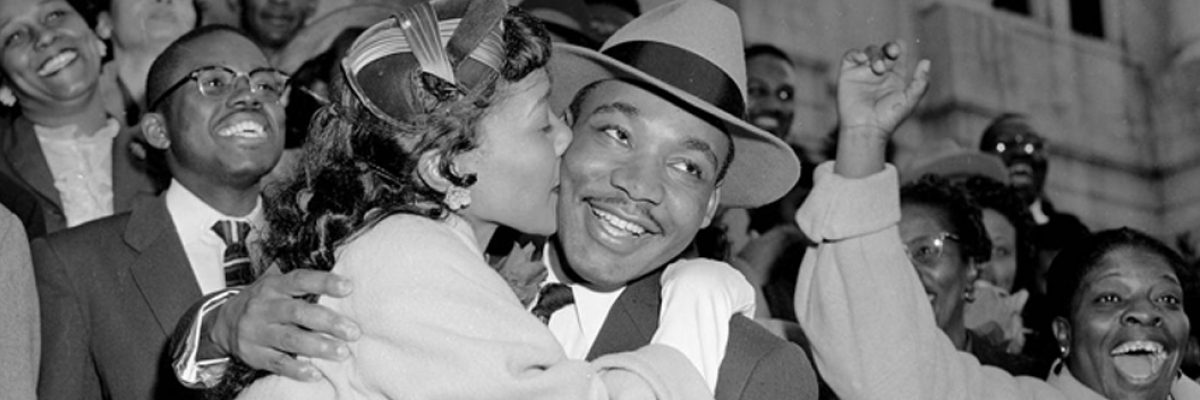
Martin Luther King's "I have a dream" speech is one of the most famous and powerful speeches in history. In it, the speaker uses the technique of repeating the main message (in rhetoric, the term "anaphora" is also used). Throughout the entire speech, King repeats the phrase "I have a dream" eight times.
Such a technique is one of the main ones in religious rhetoric, where they repeat appeals to God or calls at the beginning or end of prayers. And since Martin Luther King was a preacher, he used this technique quite organically.
Why doesn't classical repetition work in business communication?
In business and everyday rhetoric, this technique in such form is ineffective because with its help, the speech acquires a form of artistry and melodiousness, which can interfere with logical and analytical perception of information.
Literal repetition of one phrase can be perceived as excessive emotional or even manipulative. In a business environment, this can cause a negative reaction from an audience that expects rational arguments, not emotional appeals.
How to adapt the technique for modern use?
However, the principle itself can be used in modern public speaking. It's necessary to keep the essence of the message and proclaim it in different formulations.
For example, our basic message "travel is opportunities," then other forms of this message could be: "travel is the future" and "travel is the realization of our ideas." Thus, the key idea is repeated, but in different variations, which makes the speech less monotonous and more convincing.
How to practically apply this technique?
Summarizing the above, this technique can be used today as well. Define your idea or message and voice it in different forms throughout the presentation or negotiations.
This will allow listeners or your interlocutor to more easily remember and perceive your main message, which, in turn, will allow you to achieve a successful result. The main thing is to vary the formulations while preserving the essence of the message, to avoid excessive intrusiveness and maintain audience interest.