The Problem of Higher Education's Perception of Oratory
Oratory is more than just the ability to speak. It's the capacity to captivate, persuade, and influence an audience. However, the biggest problem in studying this skill lies in the superficial and frivolous attitude toward it. Many believe they can master the art of oratory by reading a few books or attending a lecture. In reality, oratory requires deep immersion and prolonged practical training until skills become automatic.
The problem with the traditional approach
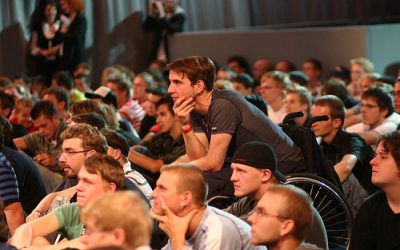
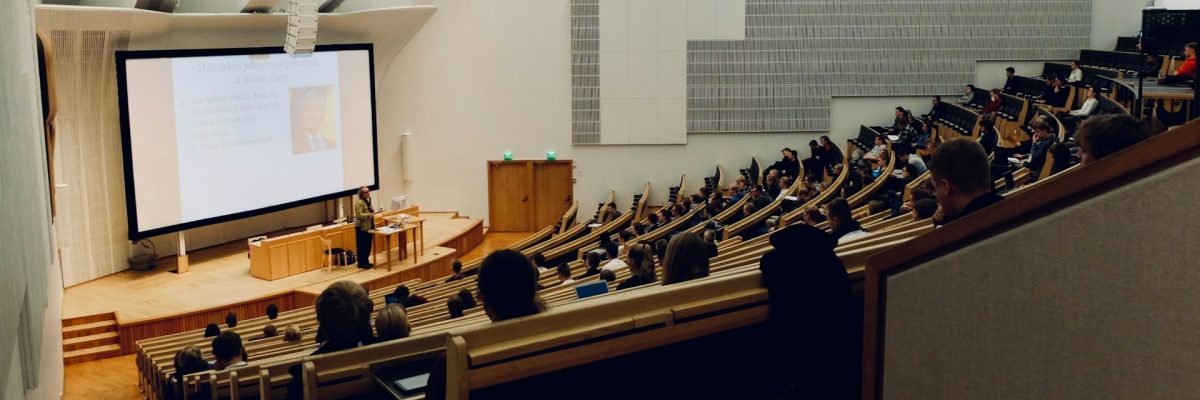
Having studied oratory lectures at leading higher education institutions for many years, I noticed one pattern: it's the same type of lecture as most other non-public speaking subjects. Typically, students, instructors, and anyone interested gather in a large hall. Settling comfortably into their seats, they expect revelations – some magical, mysterious secret information they haven't heard anywhere before. The lecture is usually conducted by a naturally charismatic lecturer who creates a positive atmosphere, and the audience may feel they're learning something mysterious. But there's almost no benefit from this format of learning, except for good mood.
Oratory: form and content
Oratory is not so much about content (logic, understanding, constructiveness) as it is about form (the body as an instrument for holding attention). Everything related to the body requires practical physical training, not lectures. Only after mastering all aspects of form and acquiring form-related skills that are independent of content, experience, and intellectual processes, can one proceed to organize thinking and speech.
Therefore, study oratory in practice: physically work out a strong and confident voice, develop a sense of tempo and rhythm in public action, internalize the technique of meaningful and justified body language, remove the barrier of physical defense, add psychological confidence, energy, and empathy. Only then organize thoughts gained through knowledge and experience, and improvise.
The 90/10 Rule
Oratory is 90% practically developed technique and 10% theory. A lecture by a charismatic orator will not make you a charismatic orator if you skip the main part – practice. So, study oratory in practice: attend training sessions, practical classes, speak in front of audiences, physically work out technique, improve your skills daily, and only then will you be able to achieve success.
Remember that the path to mastery lies through persistent work and practical training.
Why this matters
The traditional lecture-based approach to teaching public speaking fundamentally misunderstands the nature of the skill itself. Public speaking is a performance art that requires:
- Physical conditioning of voice and presence
- Muscle memory developed through repetition
- Real-time adaptation skills that only come from live practice
- Comfort with discomfort that builds through exposure
When universities treat oratory as an intellectual subject to be absorbed through passive listening, they create a false sense of learning. Students may understand concepts intellectually but remain as anxious and ineffective as before when faced with an actual speaking situation.
The solution
Effective oratory education should prioritize:
- Extensive practice opportunities with real audiences
- Immediate feedback on physical and vocal delivery
- Progressive skill building from simple to complex scenarios
- Integration of form and content rather than treating them separately
The goal is not to inspire students with charismatic presentations about speaking, but to systematically develop their capabilities through guided, repetitive practice until confident public speaking becomes second nature.
Mykola Ovcharov